


Section 301: 10% tariffs threaten steel | The Weekly Logistics
⚡ Your Executive Summary (TL;DR):
The Change: The export boom to North America is fully overwhelming Mexico's traditional land transport hubs.
The Risk: Customs blockages, mass revocation of driver visas, and traffic chaos due to FIFA 2026 jeopardize your deliveries and trigger penalties.
The Solution: Moving beyond the conventional freight forwarder and migrating to an advanced 4PL logistics model with full visibility.
The Benefit: Protect your net profits, prevent line stoppages, and eliminate electronic customs penalties.
📰 Market Intelligence: What Impacted Your Operations
[Automotive Industry] — Alarm in North America: Auto parts exports fall
INEGI reported an overall 25.4% growth in Mexico's exports (reaching 69,544.5 million USD). However, the automotive industry experienced a surprising annual decline of 2.2%.
The consequence: Relying on rigid routes or a single land transport provider drastically increases the risk of line stoppages at your plants.
The verdict: Given the USMCA tariff reviews, if you don't proactively audit your rules of origin, you'll be out of the market.
To mitigate this instability in foreign trade, your management must diversify flows towards intermodal and rail transport, relying on a forwarder with true expertise in binational crossings.
[Transportation] — Border crisis: U.S. revokes 20,000 driver visas
The U.S. Department of Transportation (DOT) tightened inspections against illegal cabotage, eliminating 20,000 work visas for Mexican drivers.
The consequence: This purge exacerbates the historic deficit in Mexico (96,000 vacancies), which will sustainably drive up land freight rates.
The verdict: Companies that continue to rely on reactive transport will see their delivery times collapse in the North American market.
The transition to a 4PL logistics strategy is the only way to anticipate truck shortages and coordinate intermodal routes before your cargo gets stranded.
[Foreign Trade] — Massive German investment: The infrastructure challenge
Over 2,100 German companies will expand operations in Mexico thanks to the EU-Mexico Free Trade Agreement (TLCUEM) and Nearshoring. This wave will further saturate industrial parks and ports.
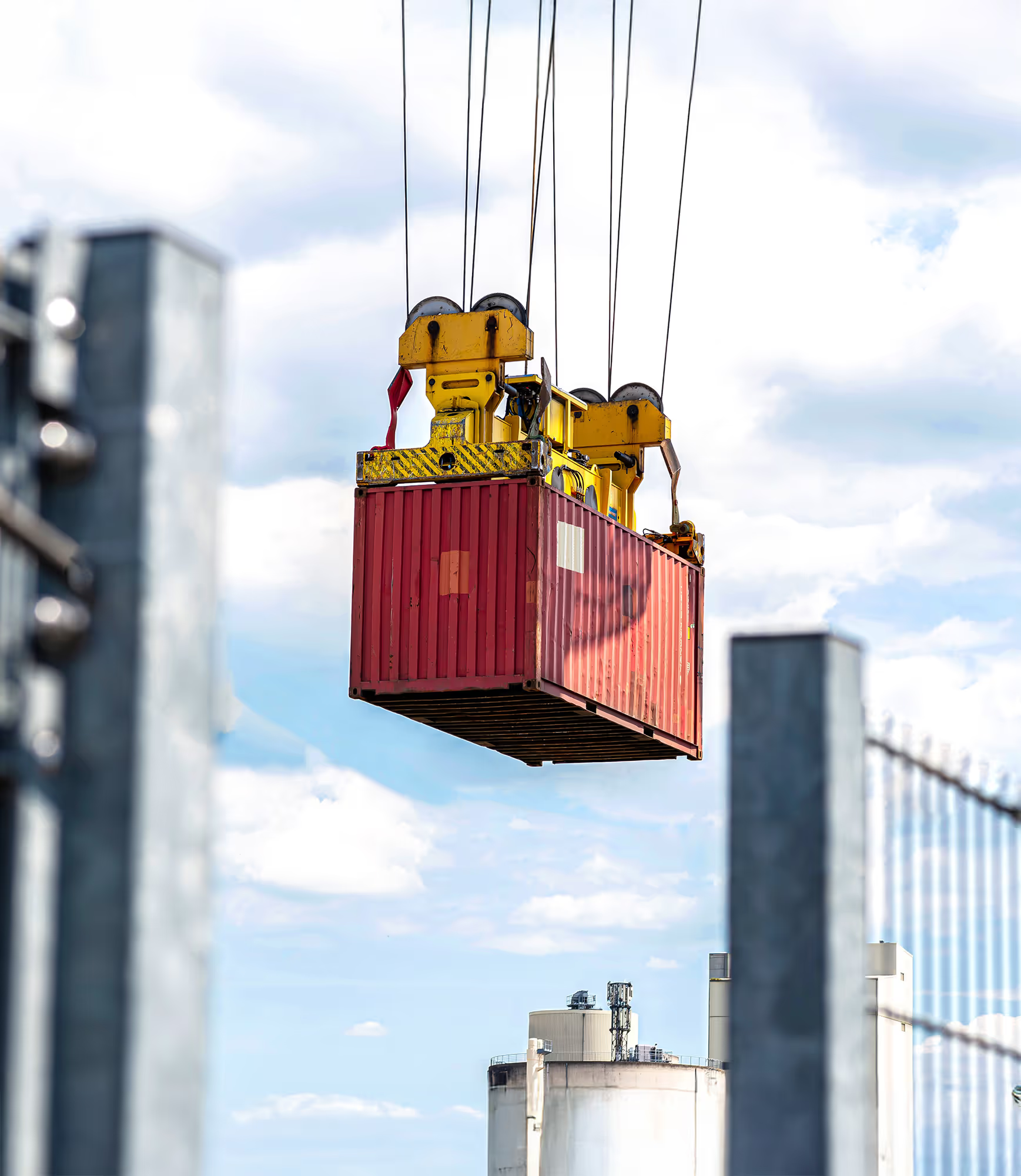
The consequence: Moving heavy machinery and project cargo without specialized planning at maritime terminals will cause costly delays that will halt the start of your manufacturing.
The verdict: Ignoring critical RoRo (Roll-on/Roll-off) or LoLo (Lift-on/Lift-off) maneuvers will destroy your investment project's budget.
{{4pl}}
🇲🇽 DOF Highlights
🏆Traffic Chaos Due to FIFA World Cup 2026 — Presidency of the Republic
The official decree mandates remote work and class suspension in Mexico City for the Mexican National Team's matches. Although customs and cargo transport are exempt to ensure foreign trade, the city will face imminent traffic collapse.
The verdict: If you don't coordinate nighttime delivery windows or alternative routes, you will incur critical penalties for delays in component supply.
🔴Tariff Modification in TIPAT — Secretariat of Economy
Tariff quotas for sensitive inputs from the Trans-Pacific region were modified, aiming to accelerate Nearshoring in Mexico.
The consequence: Failure to update tariff classifications in your systems will lead to the automatic loss of tax benefits.
The verdict: You will pay unnecessary tariffs and foreign trade fines if you do not implement preventive electronic audits on your customs declarations.
📡 This Week's Focus: Risk Agenda
Tuesday, June 30: Traffic operation and logistical collapse in Mexico City due to World Cup match. Adjust your airport pickups immediately.
Thursday, July 2: INEGI publishes June automotive industry data. Monitor whether the 2.2% drop in exports becomes a dangerous trend.
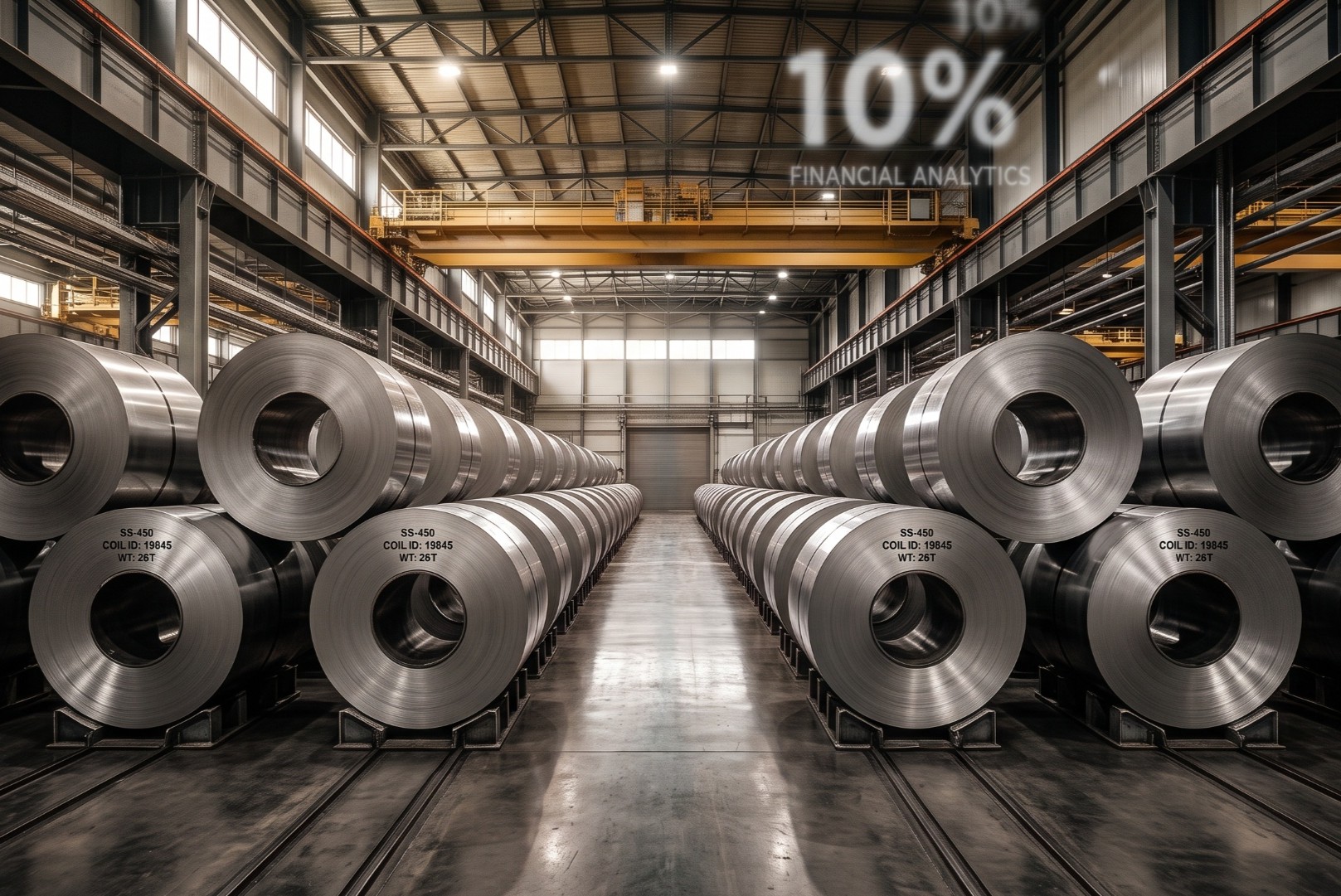
Monday, July 6: USTR (Section 301) consultations close. Prepare for potential 10% tariff increases on steel, aluminum, and auto parts.
📈 Key Data
Economy: Trade Surplus Under Warning
Mexico's $2,259.2 million trade surplus conceals a latent danger. Manufacturing exports reached $62,990.0 million, reflecting a 25.1% annual growth. However, intermediate goods imports aggressively increased by 29.8% annually.
The verdict: Your operation is entirely dependent on imported inputs; any customs friction will immediately paralyze your production.
Logistics: Critical Land Capacity Restriction
The loss of 20,000 drivers due to visa cancellations accelerates the transportation crisis in North America. This phenomenon occurs in a context where Mexico's driver shortage is already nearing 96,000 active vacancies.
The Reality: The truck shortage will drive up your logistics costs and lead to variable price hikes at the border if you don't immediately diversify into rail and intermodal solutions.
🔍 Strategic Vision: InterDabs
Nearshoring in Mexico is not an automatic guarantee of success; it's a geographical advantage that, without strategy, is eroded by inefficiency. Pressures from Section 301, the scarcity of cross-border transport, and revisions to the Customs Law demand directors who stop "putting out daily fires."
Integrating your maritime (LoLo / RoRo), rail, and intermodal operations under an advanced 4PL logistics model is the only way to safeguard your profitability. At InterDabs, we transform customs and operational chaos into a measurable competitive advantage on your income statement.
{{asesoria}}




Everything your logistics needs

.png)