




The Cost of Improvisation in Nearshoring México | The Weekly Logistics
Your Executive Summary (TL;DR):
- The Shift: The Nearshoring in Mexico is no longer a promise; it's an infrastructure crisis that demands precise and proactive logistics to avoid collapse.
- The Risk: Port congestion and aggressive tax scrutiny in the steel sector threaten to halt your production.
- The Solution: Route diversification via the Interoceanic Corridor and long-term maritime freight contracts.
- The Benefit: Transform logistics from a cost center into a competitive advantage that protects your operating margin.
1. Industry Pulse: Automotive and Project Cargo
Automotive: Less Volume, More Complexity
The 2% drop in national production isn't just a statistic; it's an inventory alert. Maritime terminal saturation is penalizing those without full visibility into their foreign trade.
- The diagnosis: If your forwarder isn't synchronized with your plant, you're paying for avoidable delays.
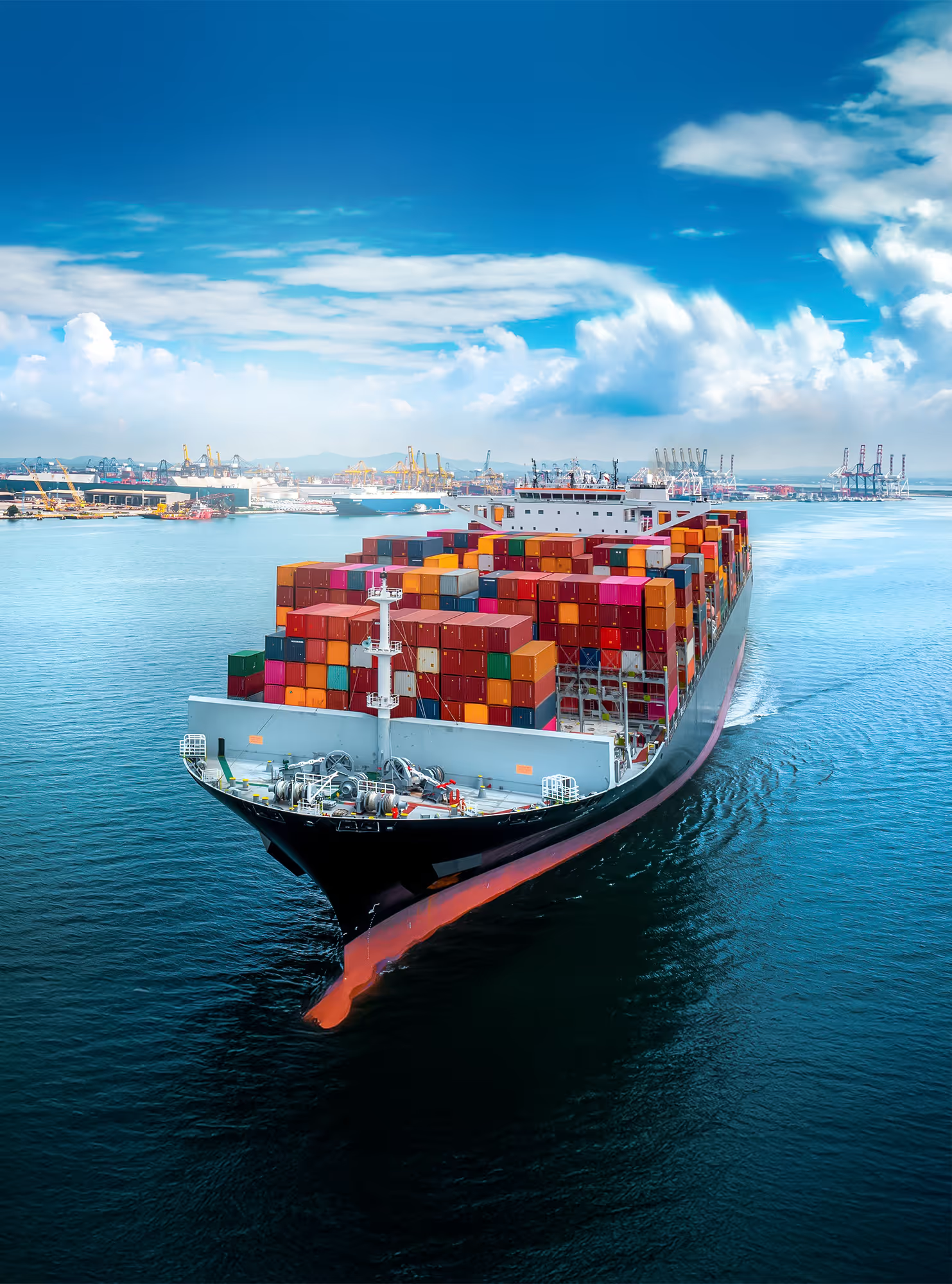
- The key: Optimizing space on RoRo vessels is the only way to maintain flow in a light truck export market that tolerates no mistakes.
{{4pl}}
Project Cargo: Veracruz Raises the Bar
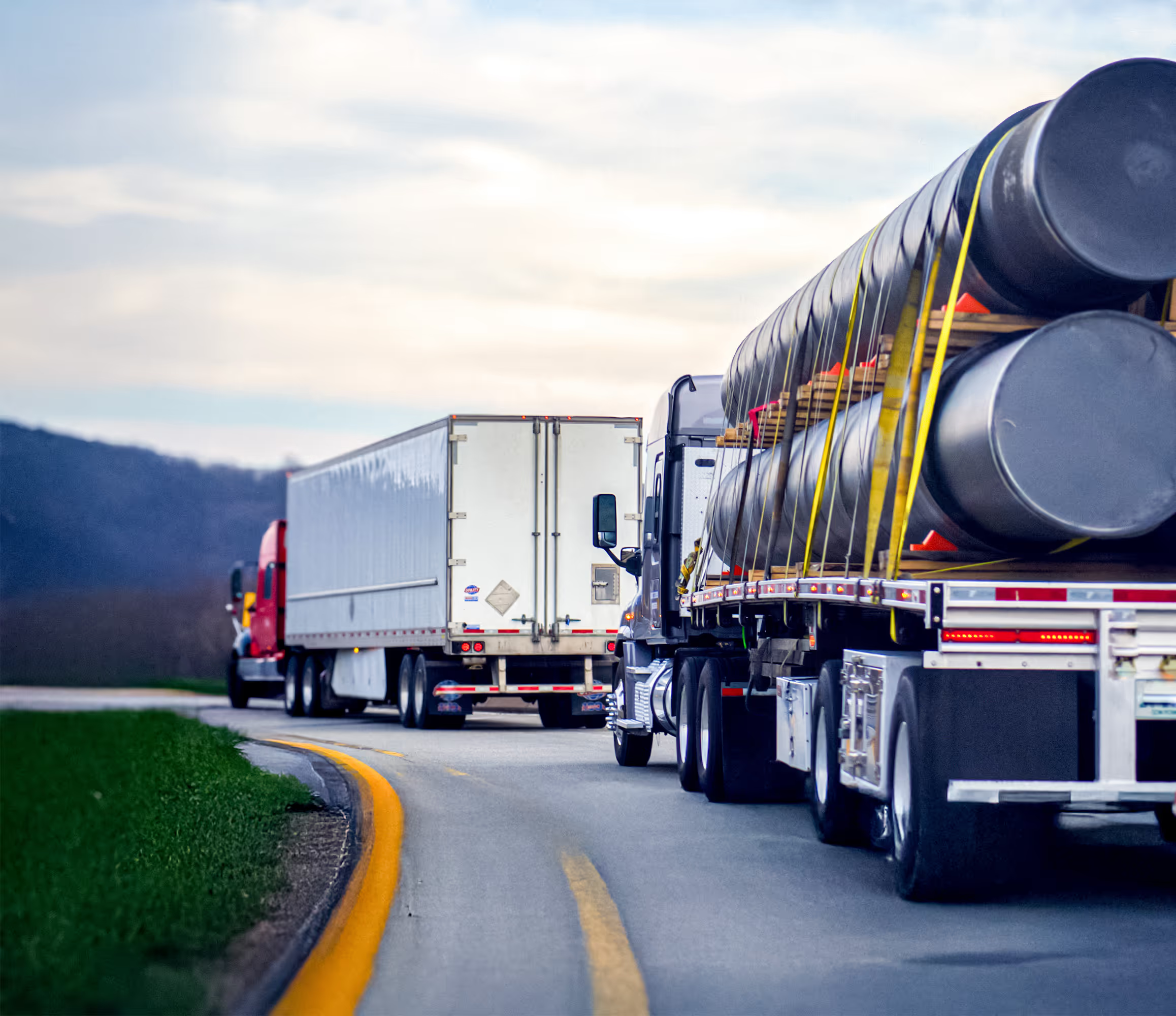
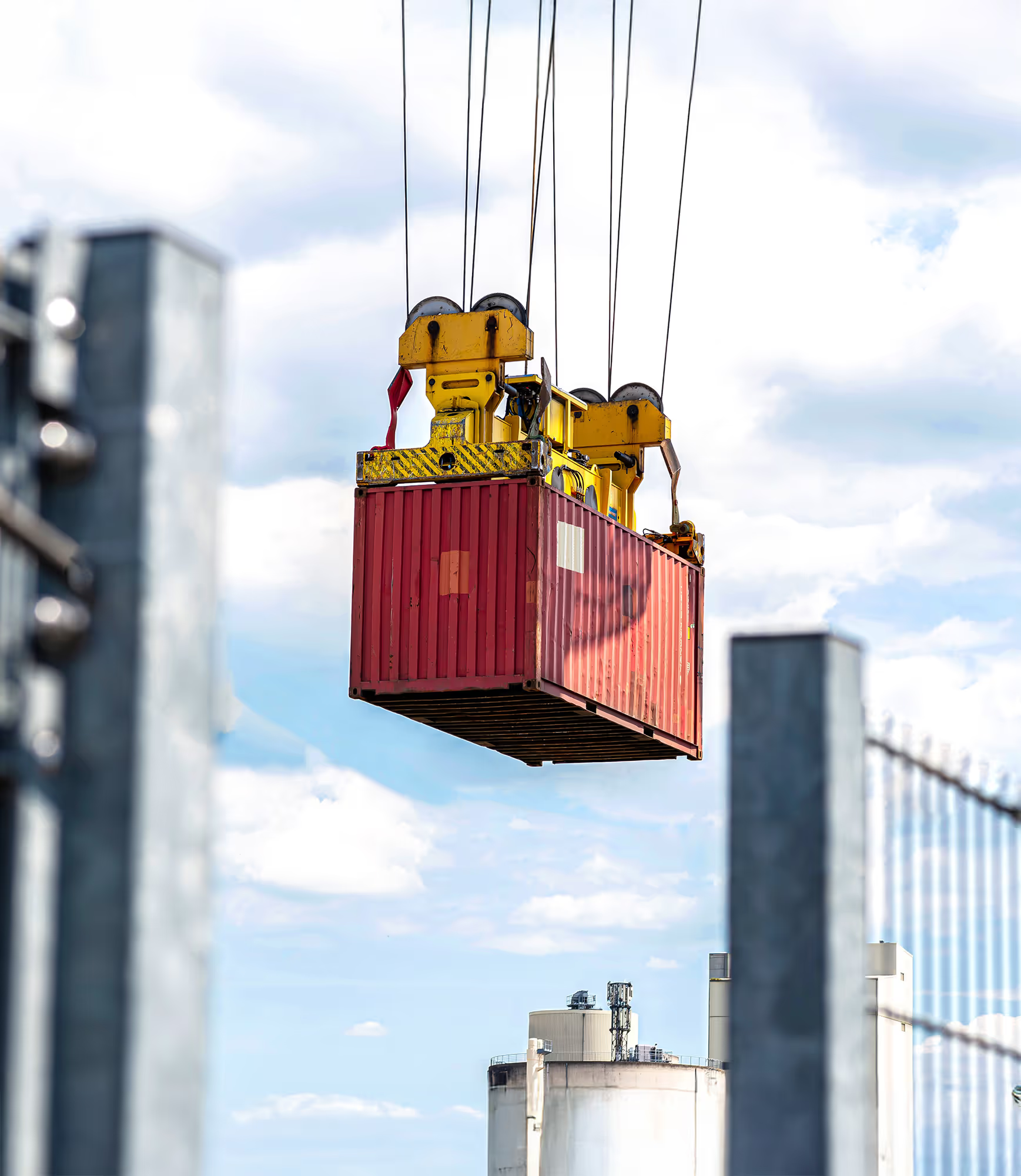
The new semi-specialized terminal in Veracruz for LoLo (Lift-on/Lift-off) operations changes the game for heavy manufacturing.
Technical verdict: Using general infrastructure for oversized components is burning money on dwell times. Port specialization is now your best guarantee for door-to-door delivery.
2. Regulatory Shield: Steel and the Interoceanic Corridor
Steel Industry: The SAT Doesn't Tolerate Origin Errors
The Ministry of Economy has put steel and aluminum under the microscope. If you don't conduct thorough audits of your certificates of origin, your cargo will be stuck at the port. Customs compliance is no longer a mere formality; it's the engine of your operational continuity in North America.
The Isthmus: Your Plan B or Your New Main Route?
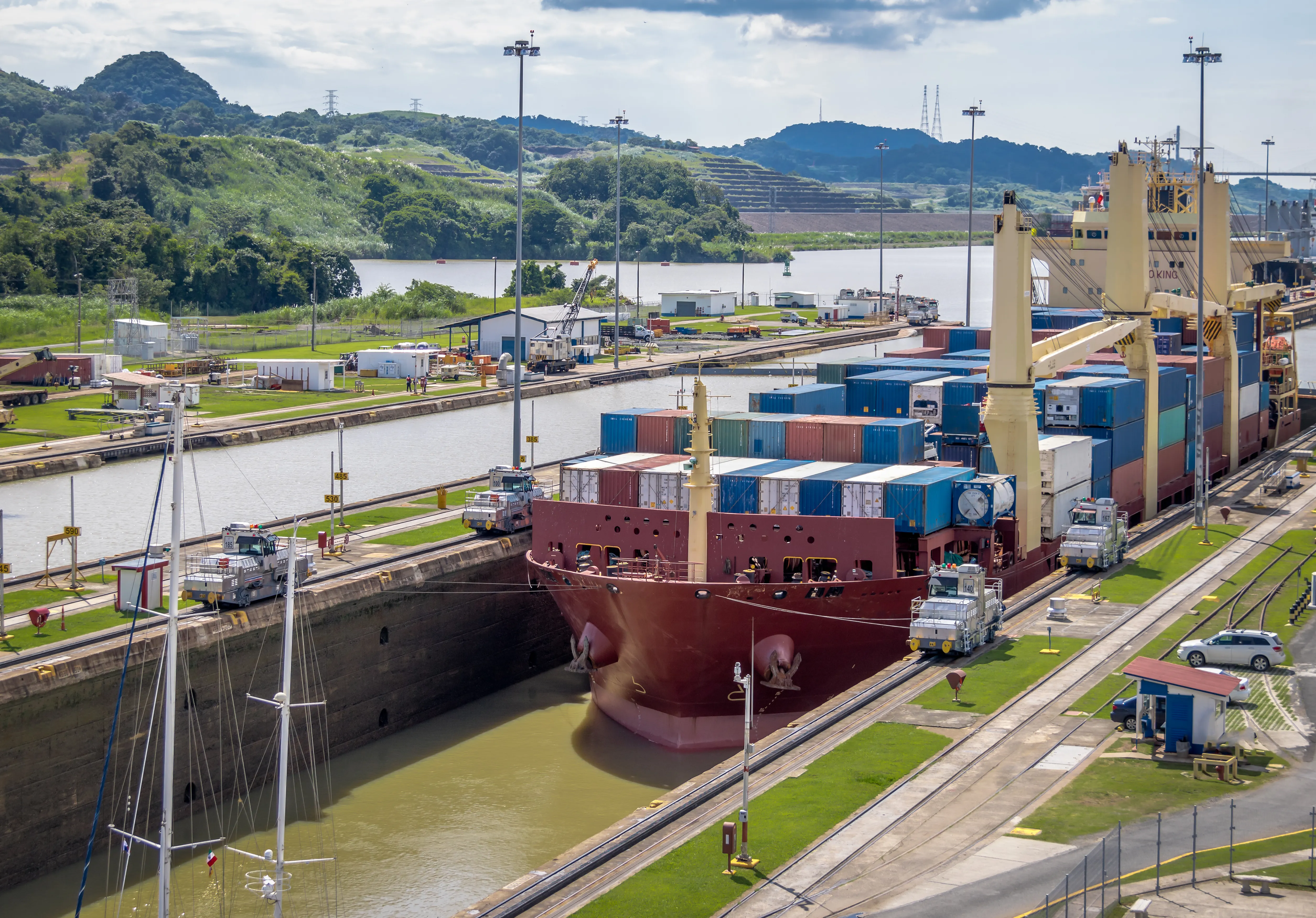
The new guidelines in the DOF for Development Poles (PODEBI) provide the much-needed legal certainty.
- The opportunity: The Interoceanic Corridor is the real escape valve for traditional port saturation.
- The action: Evaluate establishing hubs in this area — if you don't assess the risk of relying on a single route, you'll be left behind.
{{asesoria}}
3. Risk Monitor: What's Coming This Week
⚠️ Critical Alerts (May 14 & 15)
- INEGI Indicator: Industrial activity data will dictate the pace of heavy cargo demand. Anticipate your transport capacity now.
- Trans-Pacific Rates: The calm is over. Volatility on Asia-Mexico routes demands securing space with fixed contracts. The spot market is financial suicide mid-month.
The Hard Data
- Land Inflation: The 1.5% rise in energy costs directly impacts your last mile. If you don't optimize routes, your margin will evaporate.
- RoRo Surcharges: New emissions taxes in North America will inject costs of up to $300M into the sector. Prepare for adjustments to your export invoices.
Interdabs Strategic Vision
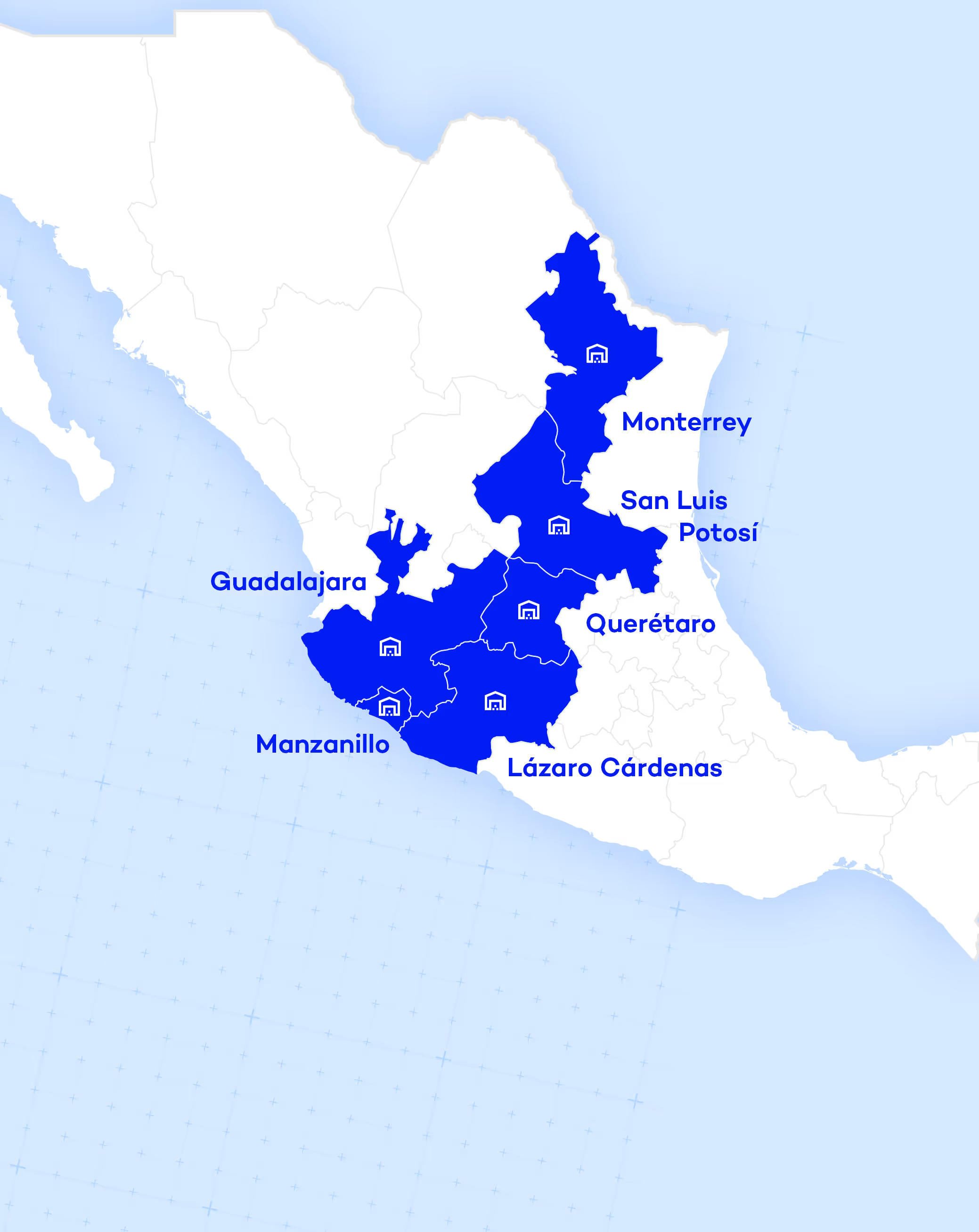
Logistics in 2026 isn't won with trucks; it's won with data and foresight. Mexico's infrastructure is shifting south and towards specialization in project cargo.
Your task today: Diagnose whether your current management model can withstand a sudden tariff change or a bottleneck in the north. 4PL logistics isn't a luxury; it's the difference between delivering on time or explaining to your board why the production line stopped.




Everything your logistics needs

.jpg)
.png)